
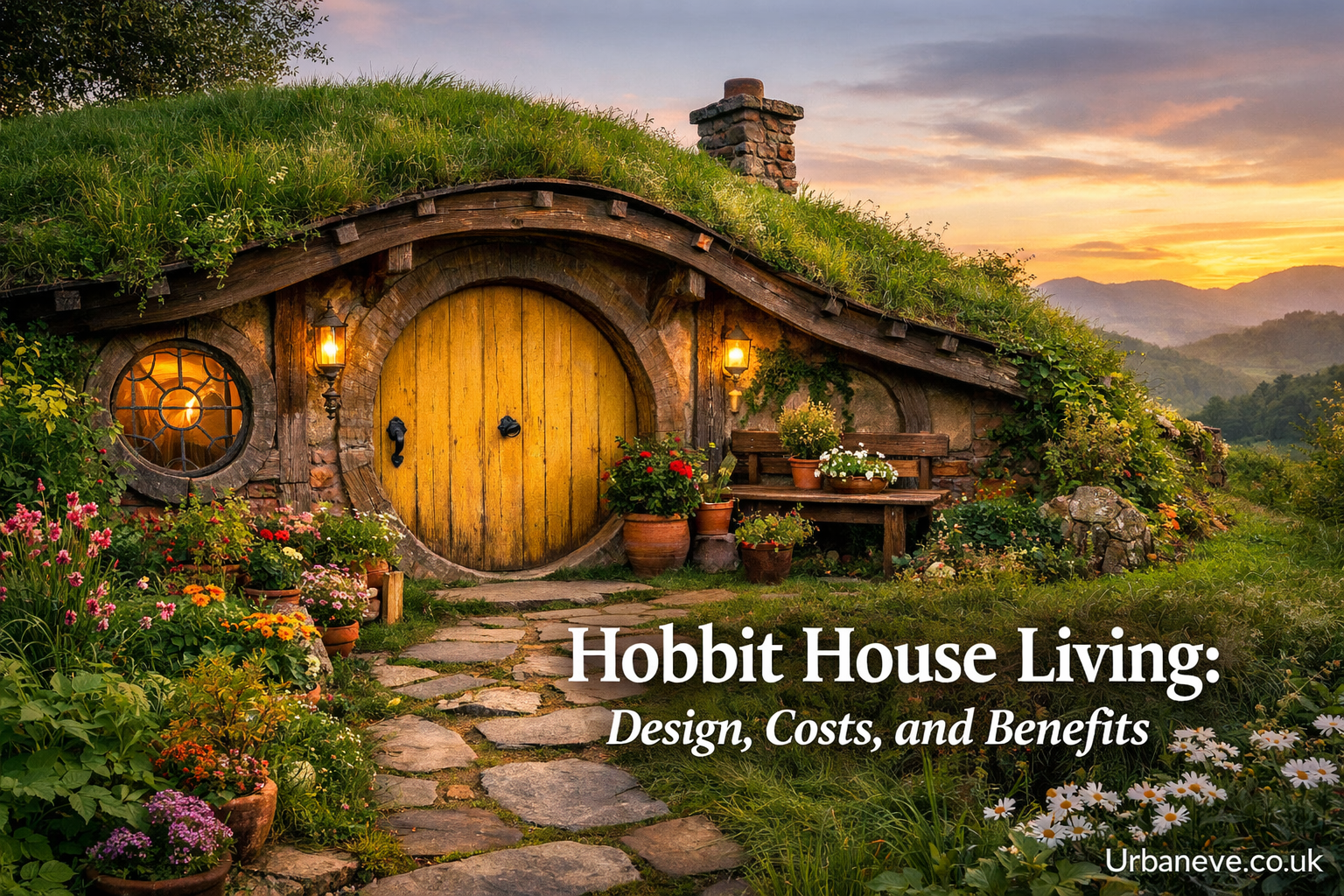
A hobbit house is more than a whimsical architectural idea pulled from fantasy literature. For many people today, it represents a desire to slow down, reconnect with nature, and live in a space that feels warm, protective, and deeply human. In an era dominated by sharp lines, glass towers, and fast-paced urban living, the soft curves and earth-hugging presence of a hobbit house offer emotional relief as much as physical shelter.
While the idea first captured global attention through storytelling and cinema, the modern hobbit house has evolved into a serious architectural concept. It blends earth-sheltered construction, sustainable building principles, and biophilic design into a lifestyle choice that resonates with eco-conscious homeowners, travelers, and designers alike. This article explores what a hobbit house truly is, why it has become so appealing, and how it fits into contemporary living.
What Exactly Is a Hobbit House?
At its core, a hobbit house is an earth-integrated home designed to blend seamlessly into its natural surroundings. Unlike conventional houses that sit on the land, a hobbit house often appears to grow out of it. These homes are commonly built into hillsides or covered with soil and vegetation, creating the iconic grass-covered roof and low-profile structure.
Architecturally, hobbit houses favor rounded shapes, thick walls, and organic materials. The curved doorways and windows are not merely decorative; they contribute to a sense of enclosure and comfort that many people find psychologically soothing. Natural materials such as wood, stone, clay plaster, and turf are frequently used to reinforce the connection between the home and its environment.
Although inspired by fantasy, the concept closely aligns with real-world earth-sheltered housing. This building approach has existed for centuries in various cultures, long before it was associated with hobbits. The modern interpretation simply refines these traditional ideas with contemporary engineering and comfort standards.
The Emotional Appeal of Living Underground
One of the strongest reasons people are drawn to hobbit houses is emotional rather than practical. These homes evoke a sense of safety, nostalgia, and simplicity. The low ceilings, rounded rooms, and soft natural light create an atmosphere that feels protective and grounding. For many homeowners, this environment reduces stress and promotes a sense of well-being.
Psychologists and designers have long discussed the human preference for enclosed, refuge-like spaces. A hobbit house naturally fulfills this need by offering shelter that feels instinctively secure. Unlike large open-plan homes that can feel exposed or overwhelming, a hobbit house encourages slower living and mindful use of space.
This emotional resonance explains why hobbit houses are not only built as permanent residences but are also popular as vacation rentals and retreats. Guests often describe the experience as calming, cozy, and emotionally restorative.
Sustainability and Environmental Benefits
Beyond emotional comfort, hobbit houses are often praised for their environmental advantages. Earth-sheltered homes benefit from the natural insulation provided by soil. The surrounding earth helps stabilize indoor temperatures, keeping interiors cooler in summer and warmer in winter. This reduces the need for artificial heating and cooling, leading to lower energy consumption.
The green roofs commonly found on hobbit houses also contribute to sustainability. These living roofs help manage rainwater, reduce heat absorption, and support local biodiversity. Over time, they can improve the surrounding microclimate and blend the home seamlessly into the landscape.
Additionally, hobbit houses often use locally sourced and natural materials, which can reduce the carbon footprint associated with construction. When designed correctly, these homes demonstrate how architecture can work with nature instead of against it.
Modern Comforts in a Hobbit House
A common misconception is that hobbit houses require sacrificing modern comfort. In reality, contemporary hobbit homes can be just as comfortable and functional as conventional houses. Advances in waterproofing, insulation, and ventilation have made it possible to enjoy underground living without issues related to dampness or poor air quality.
Modern hobbit houses can include fully equipped kitchens, stylish bathrooms, underfloor heating, and smart home technology. The key lies in thoughtful design and proper engineering. When moisture control and ventilation are handled correctly, the interior environment remains healthy and pleasant year-round.
Lighting also plays a crucial role. While hobbit houses typically have fewer windows, strategic placement of skylights, sun tunnels, and south-facing openings ensures ample natural light. This balance maintains the cozy atmosphere without making the space feel dark or enclosed.
The Cost of Building a Hobbit House
The cost of building a hobbit house varies widely depending on location, design complexity, and construction methods. Factors such as excavation, structural reinforcement, waterproofing, and drainage can significantly influence the final budget. In some cases, these elements make hobbit houses more expensive upfront than traditional homes.
However, long-term savings can offset the initial investment. Reduced energy bills, lower maintenance requirements for exterior surfaces, and increased durability are common benefits. For homeowners focused on sustainability and long-term living costs, a hobbit house can be a financially sensible choice.
It is also worth noting that simpler designs built into existing slopes tend to be more cost-effective than fully underground structures. Working with the natural landscape rather than reshaping it extensively often leads to better outcomes both financially and environmentally.
Planning Permission and Legal Considerations
Building a hobbit house requires careful attention to local building codes and planning regulations. Because these homes differ from conventional structures, they may attract additional scrutiny from planning authorities. Concerns often include drainage, structural safety, fire exits, and environmental impact.
Early consultation with architects, engineers, and local officials is essential. Presenting a well-documented plan that demonstrates safety, sustainability, and minimal visual impact can improve the chances of approval. In some regions, hobbit houses are welcomed due to their low profile and reduced impact on the landscape.
Understanding zoning laws and environmental protections is also critical. Each location has its own requirements, and navigating them successfully is a key step in turning a hobbit house dream into reality.
Hobbit Houses as Travel Experiences
In recent years, hobbit houses have gained popularity in the tourism and hospitality industry. Many travelers seek unique accommodations that offer more than just a place to sleep. Hobbit houses provide an immersive experience that combines comfort, novelty, and a strong connection to nature.
These stays are often marketed as eco-retreats or romantic getaways, appealing to guests who value authenticity and atmosphere. For property owners, a well-designed hobbit house can become a high-demand rental, especially in scenic or rural locations.
The success of these accommodations highlights a broader trend toward experience-based travel. People increasingly prioritize memorable environments over traditional luxury, and hobbit houses align perfectly with this shift.
Is a Hobbit House Right for You?
Choosing to live in or build a hobbit house requires an honest assessment of lifestyle preferences. These homes favor simplicity, intentional living, and a close relationship with nature. They may not suit individuals who prefer large open spaces, expansive views, or highly urban settings.
However, for those drawn to sustainable living, emotional comfort, and architectural individuality, a hobbit house can be deeply rewarding. It offers an opportunity to redefine what home means in a modern world that often feels disconnected from natural rhythms.
Conclusion
The hobbit house has transcended its fictional origins to become a meaningful architectural and lifestyle choice. It speaks to a growing desire for homes that feel personal, grounded, and environmentally responsible. By blending ancient building wisdom with modern technology, hobbit houses demonstrate that comfort and sustainability can coexist beautifully.
Whether envisioned as a permanent residence, a retreat, or a unique travel experience, the hobbit house represents a shift in how people think about living spaces. It is not about escaping reality, but about reshaping it into something warmer, calmer, and more in tune with the world outside the door.