
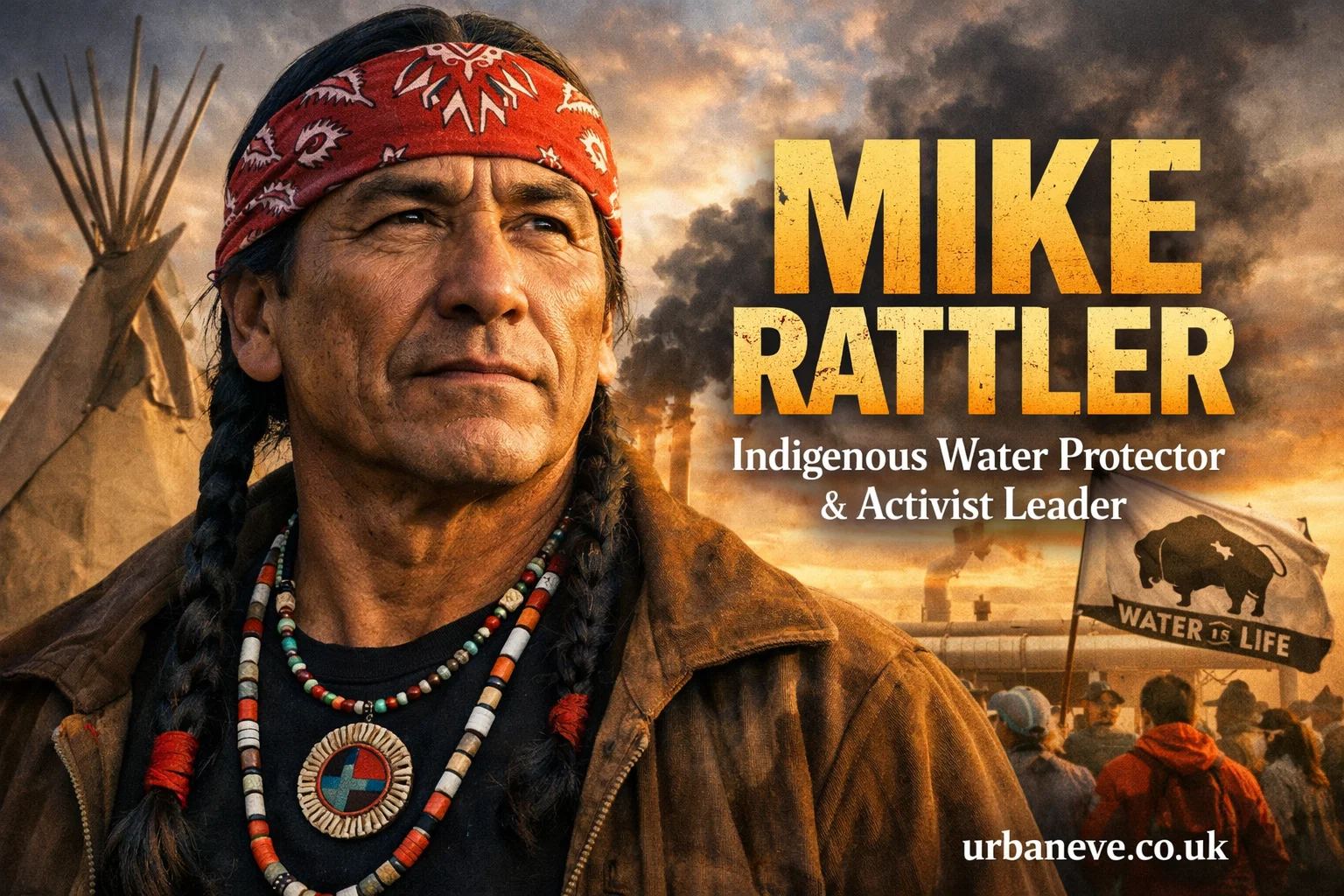
The name Mike Rattler has become closely associated with one of the most significant Indigenous-led environmental movements of the 21st century. As an Oglala Lakota water protector and activist, Mike Rattler emerged as a prominent figure during the resistance to the Dakota Access Pipeline (DAPL), a project that ignited global debate about Indigenous sovereignty, environmental justice, and corporate accountability. His story is not one of sudden notoriety, but of cultural responsibility, disciplined leadership, and personal sacrifice in defense of land and water.
This in-depth article offers a comprehensive, fact-based profile of Mike Rattler, written in the style of authoritative publications such as Forbes. It explores his background, values, role in the Standing Rock movement, legal challenges, and long-term impact. By examining his life through verified events and documented outcomes, readers gain a clearer understanding of how individual leadership can influence global conversations around climate justice and Indigenous rights.
Early Life and Oglala Lakota Heritage
Cultural Roots and Community Identity
Mike Rattler is an Oglala Lakota Sioux from the Pine Ridge Reservation in South Dakota, a place deeply embedded in the history of Indigenous resistance and survival. Pine Ridge is not only home to generations of Lakota families, but also a site of profound historical trauma and resilience, including the Wounded Knee Massacre and later civil rights activism.
Growing up within this environment shaped Rattler’s worldview. Lakota teachings emphasize respect for land, water, elders, and future generations. These principles are not abstract beliefs but daily responsibilities passed down through family and community. From an early age, Rattler was exposed to the idea that protecting natural resources is inseparable from protecting culture and identity.
Military Service and Formation of Leadership
Discipline, Service, and Responsibility
Before becoming widely known as an activist, Mike Rattler served in the United States Marine Corps. Military service introduced him to discipline, structure, and the importance of collective responsibility. While his service represented commitment to national duty, it also sharpened his awareness of contradiction—fighting for freedom abroad while Indigenous rights at home remained unresolved.
This experience influenced how he later approached activism. Rather than spontaneous protest, Rattler brought organization, strategy, and a protective mindset to the Standing Rock camps. His leadership style reflected both military discipline and Lakota warrior traditions, where courage is measured by service to the people rather than aggression.
Understanding the Dakota Access Pipeline Conflict
What Was at Stake
The Dakota Access Pipeline was designed to transport crude oil from North Dakota to Illinois, passing beneath rivers and near Indigenous lands. For the Standing Rock Sioux Tribe and other Native nations, the pipeline posed serious risks to water sources and sacred sites. It also represented another instance of treaty obligations being disregarded.
Water is central to Lakota spiritual belief, expressed in the phrase Mni Wiconi, meaning “Water is life.” The pipeline’s proposed route beneath Lake Oahe threatened not only drinking water but cultural survival. This broader context transformed opposition to the pipeline into a moral and spiritual movement.
Arrival at Standing Rock
From Supporter to Water Protector
Mike Rattler arrived at Standing Rock in 2016 initially to deliver supplies. Like many supporters, he expected to help briefly and return home. Instead, witnessing the scale of the threat and the determination of the community compelled him to stay.
At the camps, Rattler took on responsibilities related to safety and coordination. He helped protect elders, families, and ceremonial spaces during tense standoffs with law enforcement. His presence reflected the Lakota concept of Akicita, or protector, a role grounded in discipline and restraint.
Role During the Height of the Protests
Leadership Under Pressure
As the movement grew, so did tensions. Law enforcement agencies responded with militarized tactics, including mass arrests and crowd-control weapons. Rattler was present during some of the most intense confrontations, where Water Protectors faced aggressive dispersal methods.
Despite the chaos, Rattler consistently emphasized nonviolence and unity. His leadership was not about visibility, but about maintaining order and protecting vulnerable members of the camps. This approach earned him respect among fellow activists and tribal leaders.
Legal Challenges and Federal Charges
Arrest and Prosecution
In 2017, Mike Rattler was charged federally in connection with actions during the protests. The charges included civil disorder, carrying severe potential penalties. For many observers, these prosecutions symbolized a broader attempt to criminalize Indigenous resistance.
Facing significant legal risk, Rattler eventually accepted a non-cooperating plea agreement. He served time in federal prison, a period that tested his resilience and reinforced the personal cost of activism.
Incarceration and Personal Reflection
Time Served and Inner Strength
During his incarceration, Rattler remained connected to his cultural identity. Support from Indigenous communities and advocacy organizations reinforced the belief that his sacrifice carried meaning beyond individual consequence.
Prison did not end his commitment to justice. Instead, it deepened his understanding of systemic inequality and the importance of long-term advocacy. His experience highlighted how legal systems can disproportionately impact Indigenous activists.
Early Release and Reintegration
Returning to Community
Mike Rattler was granted early release from supervision, recognizing his conduct and progress following incarceration. His return was met with support from Water Protectors and Indigenous allies who viewed his freedom as a symbolic victory.
Reintegration did not mean withdrawal. Rattler continued engaging in community discussions, emphasizing education, cultural continuity, and responsible activism.
Broader Impact on Indigenous Activism
A Symbol of Modern Resistance
Mike Rattler’s role at Standing Rock elevated him as a symbol of Indigenous-led environmental justice. His story reflects a broader movement that brought Indigenous voices into global climate conversations.
The Standing Rock protests influenced policy discussions, inspired similar movements worldwide, and reshaped public awareness of treaty rights. Rattler’s involvement represents how individual leadership can amplify collective action.
Environmental Justice and Cultural Preservation
Linking Ecology and Identity
Rattler’s activism underscores the interconnectedness of environmental protection and cultural survival. For Indigenous communities, land and water are not commodities but living relatives.
This perspective challenges conventional development models and offers alternative frameworks for sustainability rooted in respect and reciprocity.
Lessons From Mike Rattler’s Journey
Several key lessons emerge from Mike Rattler’s life and activism:
- Indigenous leadership is central to effective environmental movements
- Cultural values can guide disciplined, nonviolent resistance
- Legal consequences do not diminish moral legitimacy
- Community support sustains long-term advocacy
These insights resonate beyond Standing Rock, offering guidance for future movements.
Current Influence and Future Outlook
Continuing the Work
While Mike Rattler maintains a relatively private life, his influence endures through the movements he helped shape. Younger activists often cite Standing Rock as a formative moment, and Rattler’s example remains part of that legacy.
As environmental and Indigenous rights issues continue to intersect, figures like Rattler provide a blueprint for principled resistance grounded in culture and responsibility.
Conclusion
Mike Rattler’s story is not defined by protest alone, but by purpose. From Pine Ridge to Standing Rock and beyond, his life reflects a commitment to protecting what sustains future generations. His journey reminds us that environmental justice is inseparable from human rights and cultural respect.