
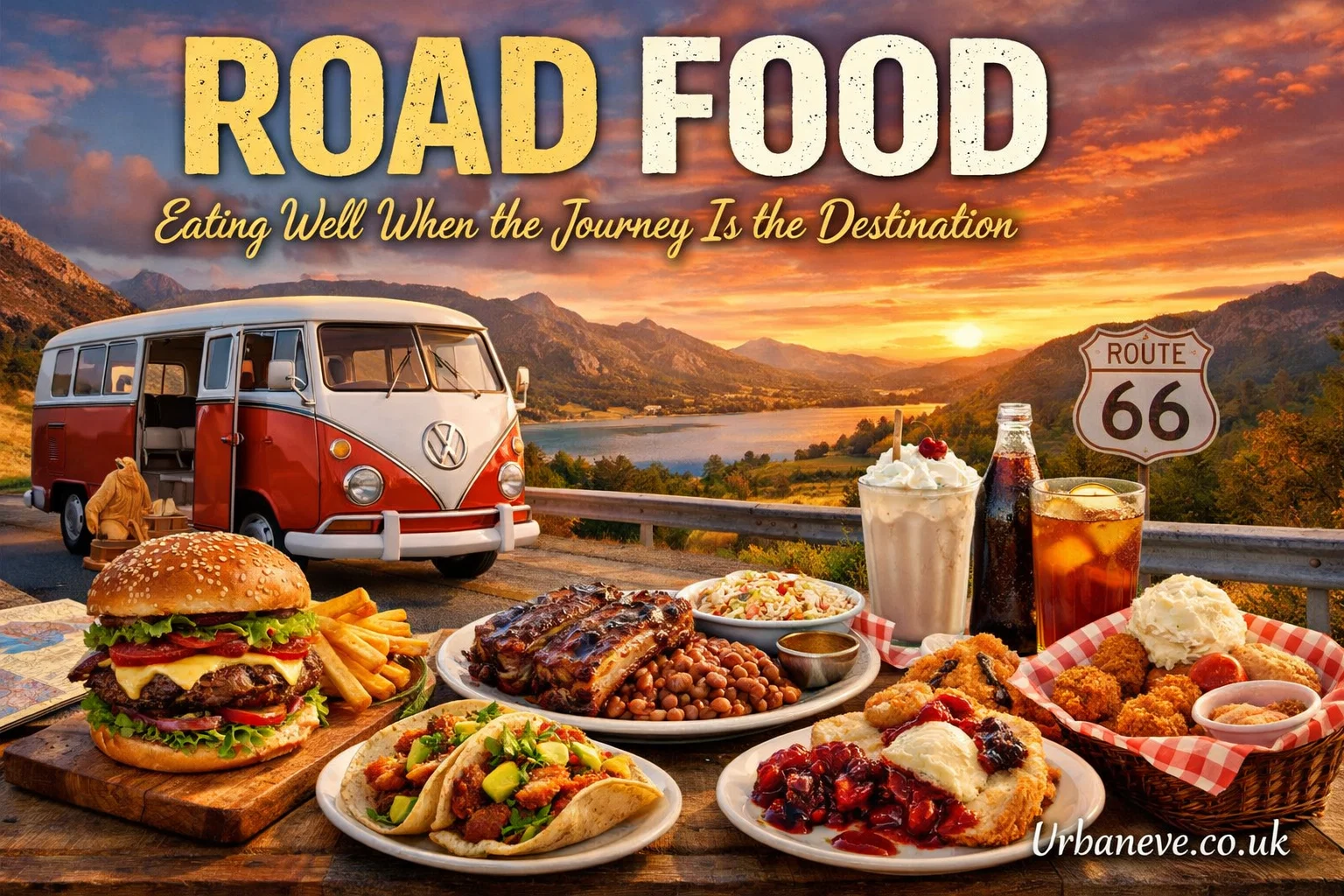
Road food has always been part of travel, but for decades it carried a reputation for being rushed, unhealthy, and forgettable. People ate on the road because they had to, not because they wanted to. Today, that perception is changing. Across highways, country roads, and long-distance routes, road food has evolved into something more thoughtful, more local, and often more satisfying than expected. In many cases, it has become a meaningful part of the journey itself.
When people talk about road food now, they are not just talking about fast food chains or pre-packaged snacks. They are talking about the experience of eating while moving, stopping, and exploring. Road food reflects modern travel habits, shifting lifestyles, and a growing desire for convenience that does not sacrifice quality. Whether it is a simple sandwich eaten at a rest stop or a warm local dish discovered near a fuel station, road food tells a story about where you are and how you travel.
The Changing Meaning of Road Food
Road food used to mean limited choices and low expectations. Travelers planned around speed rather than nourishment, choosing whatever was quickest and cheapest. That mindset made sense when long drives were about endurance and efficiency. However, travel culture has changed. People now value comfort, wellness, and experience even during transit.
As more people choose road trips for flexibility and cost control, food along the way has gained importance. Drivers want meals that keep them alert, not sluggish. Families want food that keeps everyone satisfied without stress. Solo travelers often look for moments of enjoyment during long hours on the road. These needs have pushed road food beyond survival eating into intentional dining.
This shift is also cultural. Social media, travel blogs, and food-focused storytelling have highlighted hidden roadside gems and local specialties. A small bakery near a highway exit or a family-run café along a rural road can now become a destination. Road food has moved closer to local food culture, even when served quickly.
Why Road Food Matters More Than Ever
Road food matters because it shapes how people feel during travel. What you eat affects energy, focus, and mood. A heavy, greasy meal may satisfy hunger, but it can make driving uncomfortable and tiring. Lighter, balanced food helps travelers stay alert and calm, which directly impacts safety.
There is also an emotional side to road food. Eating together in a car, sharing snacks, or stopping for a meal breaks the monotony of long drives. These moments often become memories, especially on family trips or cross-country journeys. A simple meal eaten at the right moment can feel comforting and grounding.
From an economic perspective, road food supports local businesses. Small roadside restaurants, food trucks, and regional service areas depend on travelers. When drivers choose local options, they contribute to communities that might otherwise be passed by without notice. In this way, road food connects movement with place.
Road Food and Modern Travel Lifestyles
Modern travelers are more informed and more selective. They read reviews, use maps to find better stops, and plan food breaks as part of the trip. This behavior has changed what is offered along roads. Convenience stores now invest in fresh food sections. Service areas feature regional products. Roadside eateries emphasize quality and speed rather than just volume.
At the same time, people are more health-conscious. Many travelers look for food that fits dietary preferences, whether that means vegetarian options, lower sugar snacks, or meals made with recognizable ingredients. Road food has adapted by offering more variety and transparency.
Remote work and flexible schedules have also influenced road food culture. Some travelers are no longer rushing to reach a destination by a fixed time. They can afford to stop, eat slowly, and enjoy the surroundings. For them, road food becomes part of a broader lifestyle of intentional travel.
The Practical Side of Eating on the Road
Eating on the road comes with unique challenges. Space is limited, time is unpredictable, and food safety matters more than people often realize. Successful road food is food that respects these constraints. It needs to be easy to handle, stable enough to stay fresh, and satisfying without being overwhelming.
Many experienced travelers balance what they bring with what they buy. Bringing food provides control and comfort, while buying food adds freshness and local character. This combination reduces stress and prevents impulsive choices driven by hunger.
Food safety is especially important. Without proper temperature control and hygiene, food can spoil quickly. Travelers who pay attention to storage, cleanliness, and freshness avoid problems that can ruin a trip. These habits may seem simple, but they make a significant difference over long distances.
Regional Identity and Road Food
One of the most interesting aspects of road food is how it reflects regional identity. Even when food is served quickly, it often carries local influence. Bread styles change across regions. Spices, sauces, and cooking methods shift subtly as you travel. Road food becomes an accessible way to experience these differences without formal dining.
In many countries, roadside food has long been a respected tradition. From small stalls to family-run diners, these places serve travelers and locals alike. They offer food that is practical but rooted in tradition. As global travel resumes and domestic tourism grows, these roadside food cultures are gaining renewed attention.
Travelers who slow down enough to notice often find that the most memorable meals are not planned in advance. They are discovered unexpectedly, guided by curiosity rather than schedules. Road food rewards openness.
Technology, Vehicles, and the Future of Road Food
Changes in transportation are shaping the future of road food. As electric vehicles become more common, stops are lasting longer. Charging times encourage drivers to sit, eat, and rest rather than rushing back onto the road. This shift creates demand for better food and more comfortable spaces.
Technology also helps travelers find quality road food. Navigation apps highlight popular stops. Reviews offer insight into cleanliness and taste. Digital payments and pre-ordering reduce waiting time. These tools make it easier to eat well without extensive planning.
Looking ahead, road food is likely to continue evolving. Sustainability, local sourcing, and dietary flexibility will play larger roles. Travelers will expect food that aligns with their values as well as their schedules. Road food will no longer be judged only by speed, but by how well it supports the journey.
Road Food as Part of the Travel Experience
The best road food does not interrupt travel. It complements it. A well-timed meal can reset energy, improve focus, and restore patience. It can turn a stressful drive into a manageable one. It can even add joy to a long stretch of asphalt.
Road food also creates rhythm. Stops divide long drives into chapters. Each meal marks progress and gives travelers something to look forward to. Over time, these moments blend into the narrative of the trip.
People rarely remember every mile of a journey, but they often remember where they ate. The taste of coffee at dawn, the warmth of a late lunch, or the shared snack passed around a quiet car stay in memory long after the road fades.
Conclusion
Road food is no longer an afterthought. It is a reflection of how people travel today and what they value along the way. As road trips remain a central part of modern mobility, food eaten on the move continues to evolve in quality, meaning, and cultural relevance.
Eating well on the road is about more than convenience. It is about maintaining energy, protecting health, and creating moments of comfort during long journeys. It is also about curiosity, connection, and the small pleasures that make travel human.
When travelers treat road food with intention rather than resignation, the journey changes. The road becomes less of a space to endure and more of a space to experience. In that sense, road food is not just fuel. It is part of the story of the road itself.